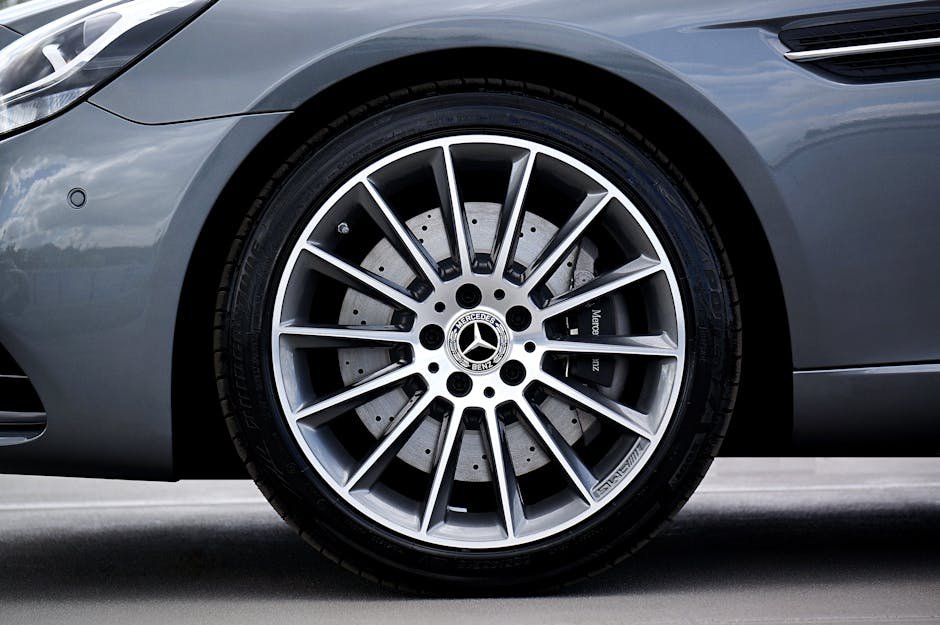

Understanding the alloy wheel scrap price is essential for anyone looking to turn old rims, aluminium wheels, or mag wheels into cash quickly. In Australia’s scrap metal market, prices fluctuate daily, driven by global metal prices, domestic demand, and the specific grade of the wheel scrap you supply.
How the alloy wheel scrap price is calculated today
Metal prices today are published by the London Metal Exchange (LME) and reflected in Australian benchmarks such as the ASX Aluminium Index. Scrap dealers add a premium or discount based on the purity of the alloy, the condition of the rim, and processing costs. For example, a clean, uncoated alloy rim can fetch a higher premium than a painted or heavily corroded one. Seasonal demand from the automotive recycling sector also influences the price – during vehicle deregistration peaks, the alloy wheel scrap price often rises.
- Base metal price: The LME aluminium spot price, currently around $2,400 per tonne.
- Purity premium: High‑grade 6061‑6063 alloys add 5‑10% to the base.
- Condition adjustment: Clean, unpainted wheels receive a 3‑7% uplift.
- Location factor: Shipping costs to major smelters in Melbourne or Sydney can shave 0.05 kg from the price.
The Scrap Price Forecast Guide provides weekly updates that help sellers time their sales for the best alloy wheel scrap price.
Grades of alloy wheel scrap and their impact on price
Not all alloy wheels are created equal. Dealers classify scrap into three main grades, each with its own price band:
- Grade A – Premium: 6061/6063 alloy, no paint, no dents, fully intact rims. Commands the highest price, often $1.70 kg⁻¹ or more.
- Grade B – Standard: Minor surface coating, small dents, or slight corrosion. Typically priced around $1.40 kg⁻¹.
- Grade C – Low‑value: Heavy paint, severe corrosion, or broken pieces. Prices drop to $1.20 kg⁻¹ or lower.
Accurately grading your scrap before contacting a buyer can add up to 20% to your return. Use the alloy wheels scrap price page to compare current rates for each grade.
The recycling process for aluminium wheels and environmental benefits
When you send your car rims to a licensed recycler, the material follows a proven loop:
- Collection & sorting: Wheels are separated from other scrap, and grades are identified.
- Cleaning: Paint, rubber, and contaminants are stripped using mechanical or chemical methods.
- Melting: Clean aluminium is melted in a furnace at ~660 °C, consuming far less energy than primary aluminium production.
- Casting: The molten metal is cast into billets or ingots ready for new wheel manufacturing.
Recycling one kilogram of aluminium saves up to 95% of the energy required to produce virgin aluminium, reducing CO₂ emissions by roughly 8 kg. By choosing to recycle your alloy rims, you contribute to a circular economy and help Australian manufacturers meet sustainability targets.
Where to sell and get the best alloy wheel scrap price
Ready to turn your old rims into cash? Follow these steps for a fast, profitable transaction:
- Inspect and grade your wheels; take clear photos of each rim.
- Visit the who buys alloy wheels – Find Trusted Buyers & Top Prices page to compare offers from accredited Australian buyers.
- Contact a reputable processor and quote the alloy wheels for scrap rates you found.
- Arrange pickup or drop‑off; most buyers offer free collection for bulk loads.
- Request a written receipt that details the weight, grade, and final price per kg.
For exporters, the How To Price Scrap For Export Markets guide explains how international freight and tariffs affect your net return. If you also have stainless steel components, compare their value on the Stainless Steel Scrap Price page.
Take action now: visit Scrap Trade to get an instant quote, or call a local dealer through ScrapTrade Australia for a same‑day pickup. The faster you move, the sooner you lock in today’s alloy wheel scrap price and benefit from the current market surge.
Frequently Asked Questions
What factors cause the alloy wheel scrap price to change?
The price shifts with global aluminium spot rates, the condition and grade of the rims, regional demand, and logistics costs. Seasonal vehicle deregistrations also create short‑term spikes.
How can I maximise the price I receive for my alloy wheels?
Clean the rims, remove paint where possible, accurately grade them, and sell to a buyer who offers a premium for Grade A material. Using the price comparison tools on our site helps you lock in the best rate.
Is it worth recycling alloy wheels instead of sending them to landfill?
Yes. Recycling saves up to 95% of the energy needed for new aluminium, cuts CO₂ emissions by about 8 kg per kilogram recycled, and puts cash in your pocket.
Can I sell alloy wheels internationally for a higher price?
Export markets can offer higher premiums, but you must factor in freight, customs duties, and handling fees. Our How To Price Scrap For Export Markets guide details how to calculate net returns.